


Professional Affairs
To view the accreditation and evaluation booklet of the Iranian Traditional Medicine Scientific Association for 2021–2022, click here
 ادمین انجمن علمی طب سنتی ایران
To view the activity report booklet of the Iranian Traditional Medicine Scientific Association for 2022, click here
ادمین انجمن علمی طب سنتی ایران
To view the performance report of the Board of Directors of the Iranian Traditional Medicine Scientific Association for the first half of 2025, click here
ادمین انجمن علمی طب سنتی ایران
To view the performance report of the Fifth Board of Directors of the Iranian Traditional Medicine Scientific Association, click here
ادمین انجمن علمی طب سنتی ایران

Phlebotomy Service Specification and Standard
The "Phlebotomy Service Specification and Standard" was developed in 2021 by the Secretariat of the Strategic Council for Developing Health Guidelines, in collaboration with Tehran University of Medical Sciences, the Scientific Association of Traditional Persian Medicine, the Board of Examiners for the Traditional Medicine Specialty, and the Persian Medicine and Complementary Medicine Office of the Ministry of Health.
Main Content of the Document:
1. Definition of Phlebotomy:
Phlebotomy is a therapeutic method in Persian Medicine involving an incision on a vein or artery to withdraw blood, aiding in the treatment or prevention of specific diseases. Its primary distinction from cupping (Hijama) and leech therapy lies in the depth of blood withdrawal and the precise control over the quantity of blood removed.
2. Conditions and Implementation Protocol:
-
Before Phlebotomy: Patient assessment (pulse, blood pressure, coagulation tests), avoidance of heavy meals, and evaluation of contraindications.
-
During Phlebotomy: Disinfection of the site, monitoring the patient's pulse, and adjusting the volume of blood withdrawn based on the patient's condition.
-
After Phlebotomy: Dressing the site with honey or turmeric, avoiding strenuous activity, and consuming nourishing foods such as honey water and tender meat.
3. Indications:
-
Diseases caused by hyperemia or blood disorders (blood thickening/plethora, joint pain, skin eruptions).
-
Prevention of sanguineous (demavi) diseases in spring.
-
Certain cardiac, metabolic, and gynecological conditions (such as Polycystic Ovary Syndrome).
4. Contraindications:
-
Coagulation disorders, pregnancy, individuals under 14 years and over 60 years (except in essential circumstances).
-
Patients with severe weakness, cold-temperament (cold Mizaj) disorders, or following a hot bath or sexual intercourse.
5. Required Equipment and Environment:
-
Requires a sterile room with controlled temperature (23-25°C), adequate lighting, and single-use disposable items (scalpel blade, sterile gauze, blood collection container).
-
The service may only be provided by specialized physicians in Traditional Medicine (holding a Ph.D.).
6. Patient Education:
-
Avoiding sleep for up to 6 hours after phlebotomy.
-
Refraining from consuming cold and salty foods for up to 24 hours.
-
Abstaining from strenuous activity.
-
The complete file of the "Blood Phlebotomy Standard" is available for download at the bottom of this page (below the dashed line).
ادمین انجمن علمی طب سنتی ایران

Leech Therapy Service Standard
The "Leech Therapy Service Standard" was developed in 2021 by the Secretariat of the Strategic Council for Developing Health Guidelines, in collaboration with Tehran University of Medical Sciences, the Scientific Association of Traditional Persian Medicine, and the Persian Medicine and Complementary Medicine Office of the Ministry of Health. This standard specifically addresses leech therapy (Hirudotherapy) as a therapeutic method in Traditional Persian Medicine and encompasses the following topics:
1. Definition and Applications of Leech Therapy
A method for blood purification and disease treatment using medicinal leeches.
Applications in treating conditions such as post-surgical hematoma, varicose veins, diabetic foot ulcers, joint pain, infertility, and coagulation disorders.
2. Characteristics of Suitable and Prohibited Leeches
-
Suitable Leeches: Hirudo medicinalis with specific physical characteristics (olive-green color, yellow stripes on the dorsum).
-
Toxic and Prohibited Leeches: Leeches with variable colors, those grown in polluted waters, or those with blue stripes.
3. Considerations Before, During, and After Treatment
-
Before Treatment: Avoidance of heavy meals, assessment of patient's condition (absence of coagulation disorders, severe anemia, pregnancy).
-
During Treatment: Control of blood loss volume, prevention of infection, and monitoring for allergic reactions.
-
After Treatment: Avoiding sleep for up to 6 hours, consuming light meals, and refraining from strenuous activities.
4. Indications and Contraindications
-
Indications: Tissue grafting, skin diseases (eczema, psoriasis), gastrointestinal issues (gastric ulcers), and inflammatory diseases.
-
Contraindications: Patients with coagulation disorders (hemophilia), those taking anticoagulant medications, pregnant women (except in essential cases).
5. Implementation Standards
-
Physical Environment: A room with a temperature of 23-25°C, washable surfaces, and equipped with proper ventilation.
-
Equipment: Glass containers for holding leeches, sterile instruments, and resuscitation facilities.
-
Practitioner Qualifications: Only specialized physicians in Traditional Persian Medicine (holding a Ph.D.) are authorized to prescribe and perform leech therapy.
The complete file of the "Leech Therapy Standard" is available for download at the bottom of this page (below the dashed line).
ادمین انجمن علمی طب سنتی ایران
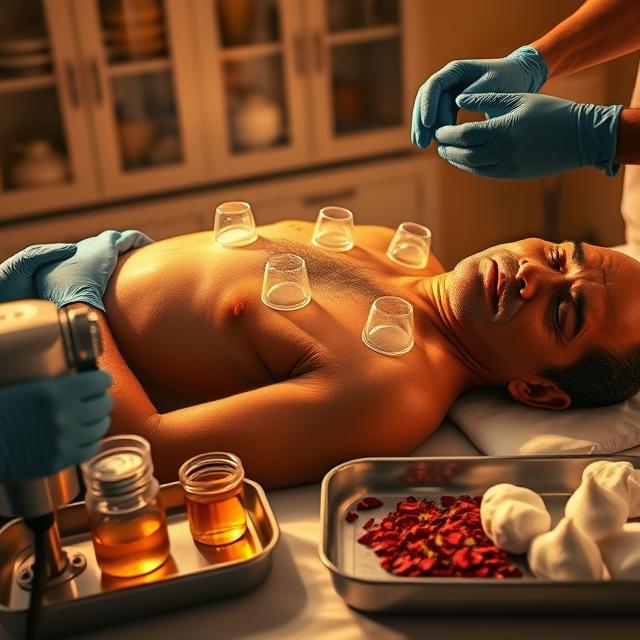
Enema Service Specification and Standard
The "Enema Service Specification and Standard" was developed in 2021 by the Secretariat of the Strategic Council for Developing Health Guidelines, in collaboration with Tehran University of Medical Sciences, the Scientific Association of Traditional Persian Medicine, the Board of Examiners for the Traditional Medicine Specialty, and the Persian Medicine and Complementary Medicine Office of the Ministry of Health. This guide provides precise and scientific standards for enema therapy in Traditional Persian Medicine.
Key Content:
Definition and Applications:
Enema therapy involves introducing medicated liquids into the rectum or uterus for therapeutic purposes. This method is used in the treatment of gastrointestinal diseases (such as constipation, colitis), inflammatory conditions, kidney and uterine disorders, and even certain systemic conditions like hypertension and poisoning.
Procedure and Implementation Steps:
-
Patient assessment prior to performing the enema (evaluating heart, liver, and brain health).
-
Preparation of herbal medicines and control of the enema fluid's temperature and concentration.
-
Correct technique for performing the procedure and appropriate patient positions (such as lying on the side or in the prostrate position).
-
Post-procedure care (rest, consumption of strengthening syrups, and avoiding exposure to drafts).
Implementation Standards:
-
Physical Environment Conditions: Temperature, lighting, ventilation, and essential equipment (such as an examination table and enema device).
-
Practitioner Qualifications: Only specialists in Traditional Persian Medicine (holding a Ph.D.) or trained physicians under their supervision are authorized.
-
Consumable Supplies: Disposable sheets, sterile gloves, and herbal medicines (such as rose and honey).
Indications and Contraindications:
-
Indications for Prescription: Intestinal diseases, joint pain, uterine problems, and certain neurological disorders.
-
Precautions or Contraindications: Allergy to herbal medicines, bleeding hemorrhoids, and acute cardiac diseases.
Educational Recommendations for Patients:
-
Avoid performing enemas independently and consult a specialist in Traditional Persian Medicine.
-
Control the temperature of the enema fluid to prevent burns.
-
Immediately report any complications such as dizziness or shortness of breath to the physician.
The complete file of the "Enema Standard" is available for download at the bottom of this page (below the dashed line).
ادمین انجمن علمی طب سنتی ایران
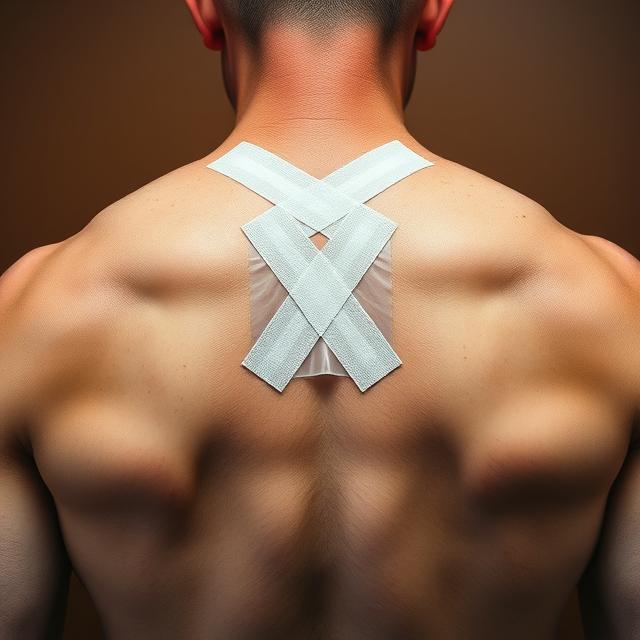
Cupping Service Specification and Standard
The "Cupping Service Specification and Standard" was prepared in 2021 by the Secretariat of the Strategic Council for Developing Health Guidelines, with the participation of Tehran University of Medical Sciences, the Scientific Association of Traditional Persian Medicine, and the Ministry of Health. Key content includes:
-
Precise definition of wet cupping (cupping with scarification)
-
Technical specifications and implementation standards
-
Different anatomical sites for performing cupping and related techniques
-
Requirements before, during, and after performing cupping
-
Indications and contraindications
-
Required equipment and supplies
-
Necessary qualifications for service providers
-
Documentation and record-keeping
-
Potential complications and strategies for their management
-
Educational recommendations for patients
The complete file of the "Cupping Standard" is available for download at the bottom of this page (below the dashed line).
ادمین انجمن علمی طب سنتی ایران
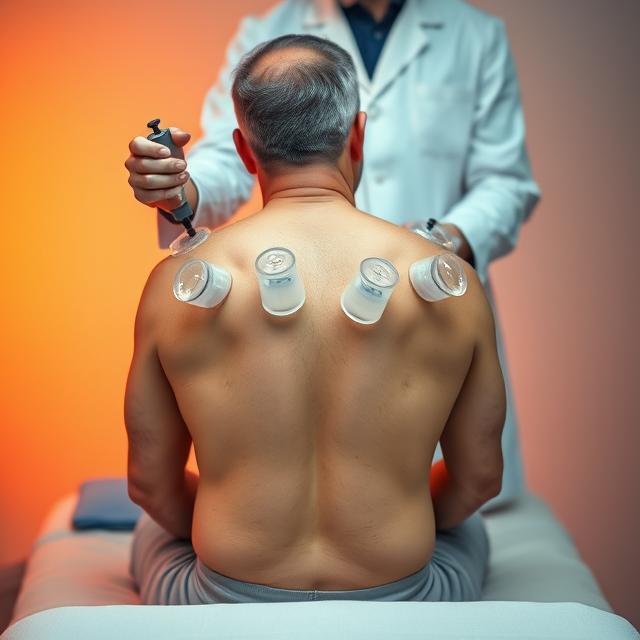
Cupping (Dry Cupping) Service Specification and Standard in Persian Medicine
The "Cupping (Dry Cupping) Service Specification and Standard in Persian Medicine" was developed in 2021 by the Secretariat of the Strategic Council for Developing Health Guidelines, in collaboration with Tehran University of Medical Sciences, the Scientific Association of Traditional Persian Medicine, and the Ministry of Health.
Key Content Includes:
Definition of the Service: Dry cupping is a therapeutic method that involves creating suction on the skin without blood withdrawal. It is performed in two forms: cold and warm.
Equipment: Cupping glasses (cups), suction device, forceps, and an examination table with standard technical specifications.
Authorized Practitioners: Specialist physicians in Traditional Persian Medicine, trained physicians, and trained paramedical professionals.
Indications: Muscle pain, respiratory diseases, dysmenorrhea, and high blood pressure (based on scientific evidence).
Contraindications: Acute inflammation, pregnancy, local infection, and coagulation disorders.
Patient Education: Recommendations before and after cupping, such as avoiding cold foods and refraining from immediate bathing.
Physical Environment: A room with a temperature of 23-25°C, adequate lighting, and washable walls.
The complete file of the "Cupping Service Standard" is available for download at the bottom of this page (below the dashed line)
ادمین انجمن علمی طب سنتی ایران
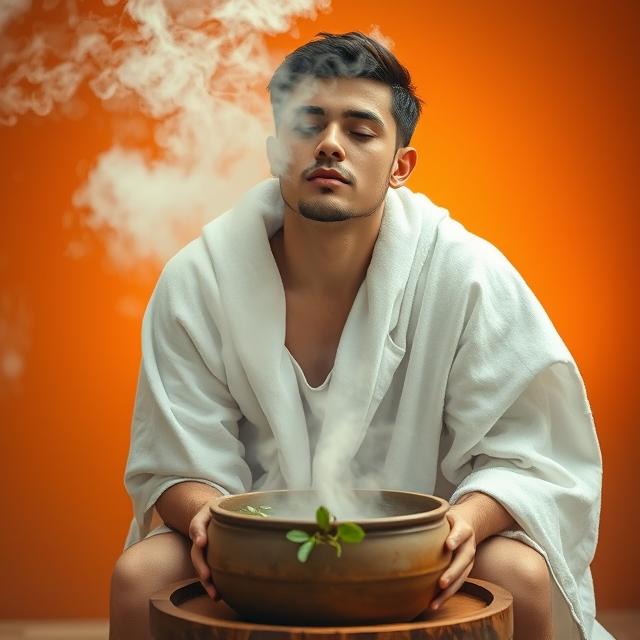
Steam Therapy and Medicated Steam Therapy (Inhalation) Service Specification and Standard in Persian Medicine
The "Steam Therapy and Medicated Steam Therapy (Inhalation) Service Specification and Standard in Persian Medicine" was prepared in 2021 by the Secretariat of the Strategic Council for Developing Health Guidelines, in collaboration with Tehran University of Medical Sciences, the Scientific Association of Traditional Persian Medicine, and the Persian Medicine and Complementary Medicine Office of the Ministry of Health.
Main Content Includes:
Definition of Services: Steam therapy (using smoke or vapor from plants) and medicated steam therapy (steam from hot water or herbal decoction).
Procedures: Assessment before, during, and after treatment; management of complications.
Qualifications: Provided by specialists in Traditional Persian Medicine, trained physicians, and trained paramedical professionals.
Indications: Respiratory diseases, skin conditions, neurological disorders, infections, and increasing breast milk supply.
Contraindications: Allergy to plants, acute inflammations, dominance of hot or dry temperaments (Mizaj).
Equipment and Environment: Standards for the physical space, required equipment such as steam devices and braziers.
Scientific References: Support for the effectiveness of the methods is provided by citing domestic and international research.
This guide is designed for use in clinics, health institutes (wellness centers), and hospital departments.
The complete file of the guide is available for download at the bottom of this page (below the dashed line).
ادمین انجمن علمی طب سنتی ایران
New Directive on the Issuance and Renewal of Licenses to Operate for Physicians with an Emphasis on Continuing Education on Youthful Population
The "New Directive on the Issuance and Renewal of Licenses to Operate for Physicians with an Emphasis on Continuing Education on Youthful Population" was issued in 2025 by the Medical and Specialized Education Council of the Ministry of Health. In accordance with Clause (23) of the resolutions of the third session of the Central Headquarters for Coordinating Youthful Population, the issuance and renewal of licenses to operate for individuals subject to the Continuing Education Law (including General Practitioners, Gynecologists, Midwives, and other target groups) is conditional upon obtaining at least 5 credit points out of the required 25 annual credit points by participating in continuing education programs on the following topics:
-
Youthful Population
-
Prevention of Abortion
-
Preservation of Fetal Life
Continuing Education Centers are obligated to design and implement educational programs in this regard. Furthermore, experts responsible for issuing certificates and licenses to operate must strictly adhere to this directive.
The complete file of the directive is available for download at the bottom of this page (below the dashed line).
ادمین انجمن علمی طب سنتی ایران
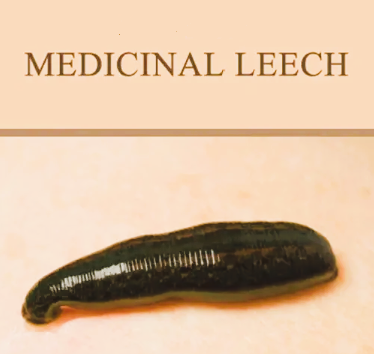
Directive on the Distribution and Supply of Medicinal Leeches (Food and Drug Organization, 2023)
Summary of the Directive (Download the full file at the bottom of the page):
1. Authorization and Conditions for Use
The use of medicinal leeches is permitted only with authorization from the Food and Drug Organization and an authenticity label.
Administration must be carried out in healthcare centers and health institutes (wellness centers) under the supervision of the Ministry of Health.
2. Methods for Disposing of Used Leeches
-
Use of 70% alcohol
-
Freezing at -20°C
3. Approved Leech Species
The only permissible species for use is Hirudo orientalis (Persian Leech).
4. Handling of Violations
Any use of leeches without authorization or obtained outside the legal distribution network will be subject to legal action.
5. Responsibility for Supervision and Revision
The Food and Drug Organization is the sole authority for issuing permits and determining regulations. Any changes in the production and distribution process must be announced by this organization.
This directive is mandatory for physicians, specialists in Traditional Persian Medicine, and healthcare centers.
The complete file of the directive is available for download at the bottom of this page (below the dashed line).
ادمین انجمن علمی طب سنتی ایران
